
 Share
Share
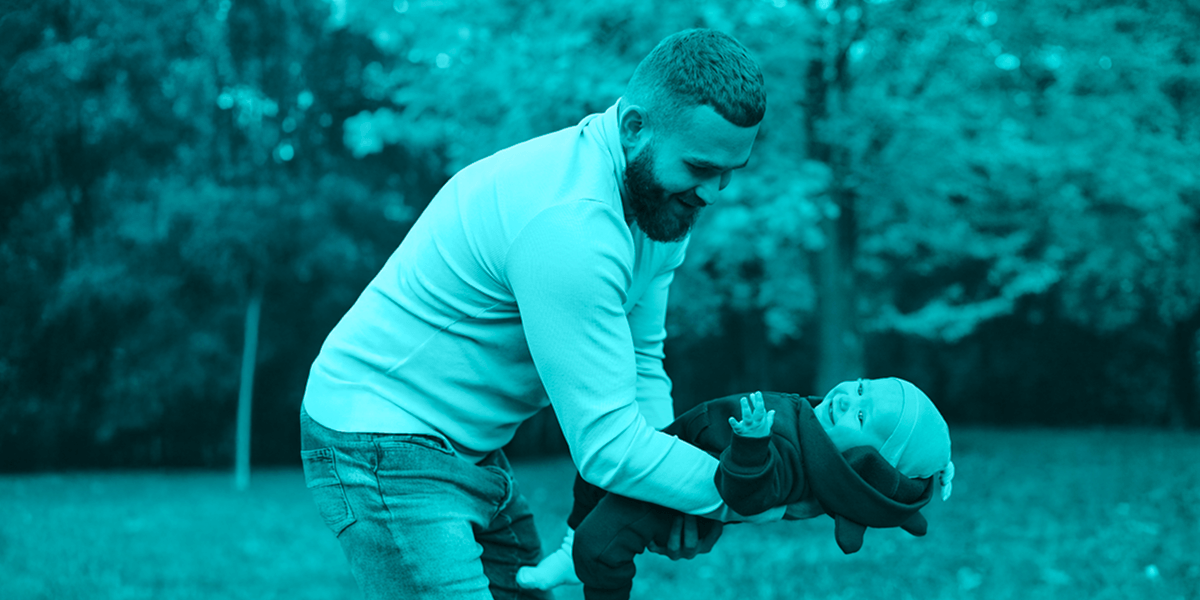
Fatherhood has never been a fixed role. It has always changed and shaped by culture, expectations and the realities of each generation. While the core values of responsibility, protection and guidance have remained constant, the role of fathers has evolved significantly over time. Today’s fathers are more present, more engaged and more connected than ever before, both at home and in their professional lives.
As we celebrate Father’s Day, it is worth reflecting on how fatherhood has transformed through the years, and how modern dads continue to redefine what it means to lead, support and inspire.
From Providers to Active Participants
In the past, fatherhood was often defined by the role of the provider. Fathers worked tirelessly to ensure their families had stability and security. Their commitment was evident through long hours and countless sacrifices, even if time at home was limited.
Today, while financial responsibility remains important, fathers are increasingly stepping into more active parenting roles. Modern dads are involved in daily routines, school activities and meaningful family moments. They are not only providers but also present in both the big milestones and the everyday experiences that shape childhood.
This shift reflects a growing recognition that fatherhood is not just about supporting families financially, but also emotionally and socially.
Building Stronger Emotional Connections
One of the most noticeable changes in modern fatherhood is the emphasis on emotional connection. Fathers today are more open in expressing care, encouragement and understanding. They listen, guide and support their children through challenges, fostering confidence and resilience. This deeper level of engagement strengthens family bonds and creates environments where children feel secure and valued.
Emotional presence has become just as important as physical presence and modern fathers are embracing this responsibility.
Balancing Career and Family in a Connected World
The evolution of fatherhood has also been influenced by changes in the modern workplace. With improvements in technology and more flexible working models, fathers today have greater opportunities to balance professional commitments with family responsibilities. Whether working remotely, attending virtual meetings or staying connected on the go, technology has enabled fathers to remain engaged in both their careers and their family lives.
However, achieving this balance requires intention, knowing when to focus on work and when to step away to prioritize family moments that truly matter.
Shared Responsibilities, Shared Success
Another defining feature of today’s fatherhood is shared responsibility. Parenting has become a partnership, where both parents collaborate to manage household tasks, caregiving and decision-making. Modern fathers take an active role in responsibilities that were once seen as outside their traditional scope, helping with homework, attending school meetings and participating in daily routines.
This collaborative approach not only strengthens families but also sets positive examples for future generations, teaching children the importance of teamwork, respect and equality.
While the role of fathers has evolved, the values that define fatherhood remain unchanged. Dedication, resilience and unwavering support continue to shape the way fathers contribute to their families and communities. The difference today lies in how these values are expressed.
As we celebrate Father’s Day, we honor not only the fathers of today but also the generations before them, whose commitment laid the foundation for the modern, engaged father we see today. Because fatherhood, whether then or now, is ultimately about showing up, standing strong and shaping the future, one moment, one lesson and one memory at a time.