
 Share
Share
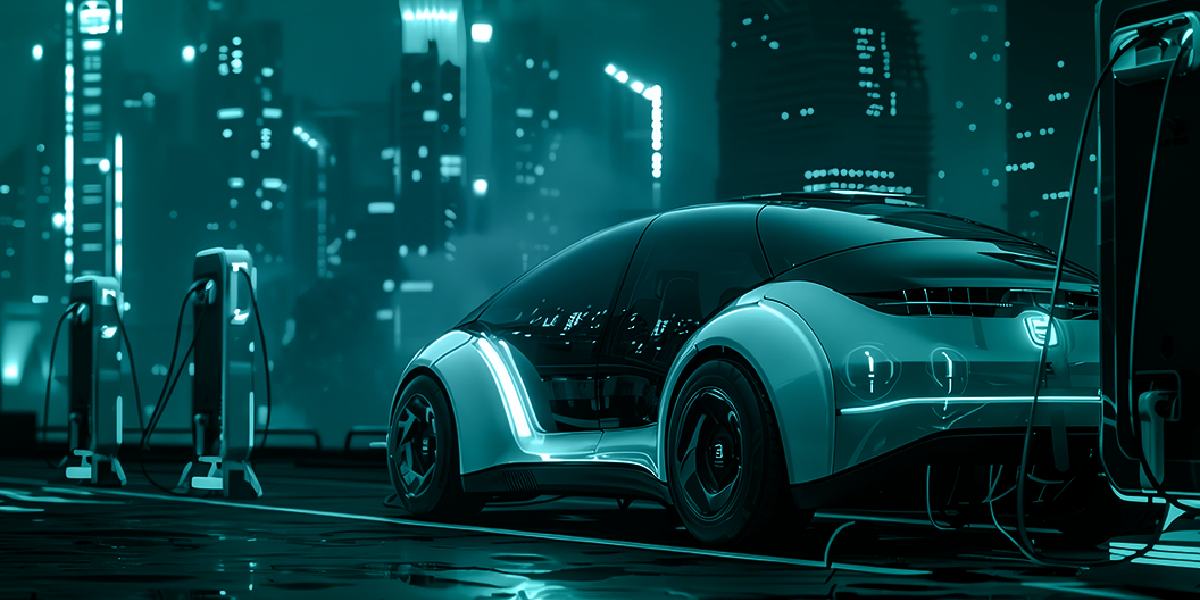
Transportation is entering a transformative era. From electric vehicles to ultra-fast transit systems, innovation is reshaping how people and goods move across cities and countries. These developments are not only improving efficiency but also supporting global sustainability goals and smarter urban living.
Here’s a closer look at the key innovations shaping the future of transportation and what they mean for businesses, governments, and communities:
Electric Vehicles: Leading the Sustainability Shift
Electric vehicles (EVs) are becoming a central part of modern transportation. Improvements in battery technology, longer driving ranges, and expanding charging networks are making EV adoption more practical for individuals and businesses alike.
Organizations are increasingly transitioning their fleets to electric models to reduce fuel costs and carbon emissions. As infrastructure continues to expand, EVs are expected to play a major role in building cleaner and more energy-efficient transportation systems.
Hyperloop Technology: Redefining High-Speed Travel
Hyperloop technology represents a bold step forward in high-speed transportation. Designed to move passengers and cargo through low-pressure tubes at extremely high speeds, hyperloop systems have the potential to dramatically reduce travel times between major cities.
Although still in development, ongoing testing and investment suggest that hyperloop solutions could redefine regional travel, supporting faster logistics, improved connectivity, and stronger economic growth.
Autonomous Vehicles: Enhancing Safety and Efficiency
Autonomous vehicles (AVs) are transforming how transportation systems operate. By combining artificial intelligence, sensors, and real-time data, self-driving vehicles aim to improve road safety, reduce human error, and optimize traffic flow.
In logistics and delivery operations, autonomous technologies are expected to streamline processes, reduce delays, and enhance overall operational efficiency.
Smart Infrastructure and Connected Mobility
Transportation innovation goes beyond vehicles, it extends to the infrastructure supporting them. Smart transportation systems use connected sensors, data analytics, and cloud-based platforms to optimize traffic flow, reduce congestion, and improve safety. Connected mobility ecosystems enable vehicles to communicate with each other and with surrounding infrastructure. Traffic signals, road sensors, and centralized control systems work together to deliver real-time insights, helping cities respond quickly to changing traffic conditions.
For businesses and public authorities, these technologies provide valuable data that supports:
- Better planning
- Improved resource allocation
- More efficient operations
The future of transportation will be defined by connected technologies working together. Electric mobility, autonomous vehicles, hyperloop systems, and smart infrastructure are collectively shaping a transportation ecosystem that is more efficient, sustainable, and intelligent. Organizations that embrace these innovations today will be better prepared to adapt to tomorrow’s mobility demands and contribute to building smarter, more resilient transportation networks.