
 Share
Share
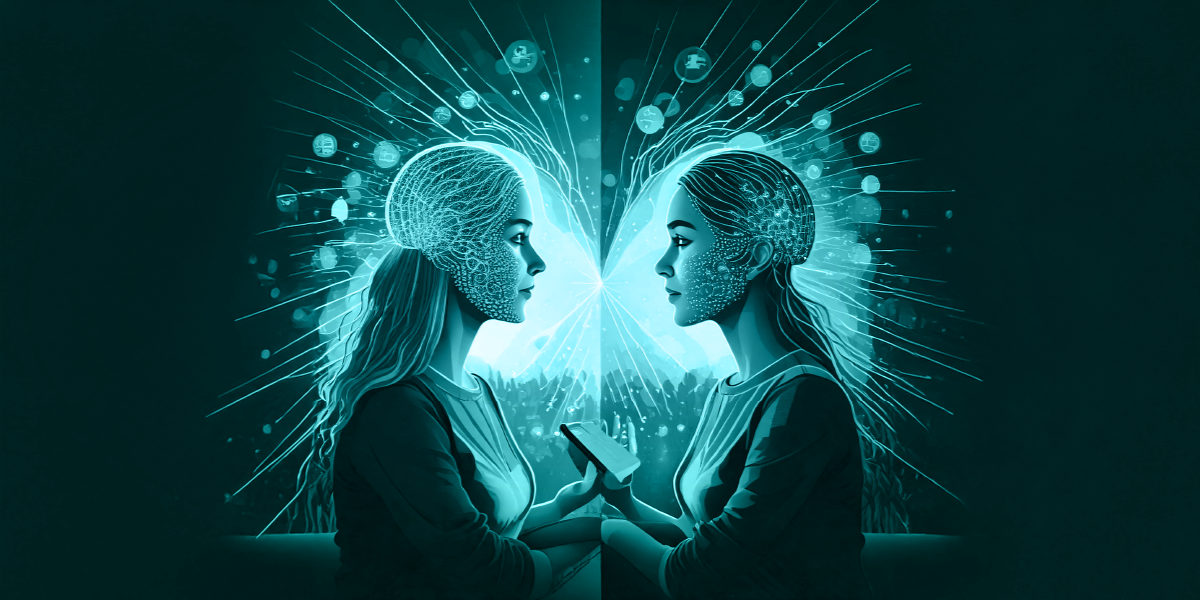
In a world where technology is constantly reshaping our lives, the way we communicate has shifted in ways we never could have imagined. From the early days of writing letters and making phone calls, we now live in a world where instant messaging, video conferencing, and social media are the norm. This evolution has brought both benefits and challenges to how we connect with others. In this blog, we’ll explore how modern technology has reshaped human communication, examining both the benefits and the challenges that come with living in an increasingly digital world.
The Rise of Instant Communication
One of the most significant impacts of modern technology is the speed at which we can communicate. Instant messaging platforms like WhatsApp and Messenger have made it possible to send and receive messages in real-time, regardless of geographic location. This has not only made personal communication more efficient but also revolutionized the way businesses operate, enabling teams to collaborate across continents seamlessly.
Video conferencing tools such as Zoom, Microsoft Teams, and Google Meet have further enhanced our ability to communicate. These platforms have bridged the gap between physical distance and human interaction, allowing for face-to-face conversations with just a few clicks. In a world where remote work has become more prevalent, video conferencing has become an indispensable tool for maintaining human connection in professional settings.
The Influence of Social Media
Social media platforms like Facebook, X, Instagram, and LinkedIn have redefined how we share information and maintain relationships. They have made it possible for us to stay connected with friends and family, even when separated by thousands of miles. Social media also provides a platform for self-expression, enabling individuals to share their thoughts, experiences, and opinions with a global audience.
However, the influence of social media on communication carries both positive and negative aspects. While it has made it easier to connect with others, it has also led to a rise in superficial interactions. The constant barrage of notifications, likes, and comments can create a sense of connection that is more surface level than meaningful.
The Shift in Communication Dynamics
Modern technology has also altered the dynamics of communication, particularly in how we interact with one another. The convenience of digital communication has led to a decline in face-to-face interactions. While it is easier to send a text or an email, these forms of communication often lack the depth and emotional nuance that come with in-person conversations. Body language, tone of voice, and facial expressions, all critical components of effective communication, are often lost in the digital realm.
Moreover, the prevalence of smartphones and other devices has led to the phenomenon of “phubbing,” where individuals prioritize their devices over the people they are physically with. This behavior can undermine the quality of relationships and diminish the sense of presence and connection in social interactions.
The Role of Technology in Bridging Gaps
Despite the challenges, modern technology has also played a crucial role in bridging communication gaps, particularly for individuals with disabilities. Assistive technologies, such as speech-to-text software and hearing aids, have empowered people with speech and hearing impairments to communicate more effectively. Additionally, platforms like sign language apps and visual communication tools have made it easier for individuals with different communication. Technology has also democratized access to information and education. Online courses, webinars, and virtual classrooms have made it possible for people from diverse backgrounds to learn and connect in ways that were previously unimaginable. This has opened new opportunities for personal and professional growth, fostering a more connected and informed global community.
The impact of modern technology on human communication is profound and multifaceted. While it has undoubtedly made it easier to connect with others and access information, it has also introduced new challenges in maintaining meaningful relationships and navigating the complexities of digital interactions. As we continue to embrace technological advancements, it is essential to strike a balance between the convenience of digital communication and the richness of face-to-face interactions. By being mindful of how we use technology, we can harness its power to enhance our connections with others, rather than allowing it to diminish the quality of our communication.